
The Winter Prep Mistake Most People Make First
As soon as the weather cools off, a lot of homeowners grab a checklist written for someone in Ohio or Minnesota: insulate the door, caulk every gap, buy a space heater for the garage. It feels productive, and it's an easy box to check before the holidays get busy. The problem is that none of it addresses what actually wears out a garage door in Lake County. We just came through months of heat, humidity, and hurricane-season storms, and that's the damage that needs attention before the cooler, drier months set in. Skipping straight to generic winterizing and ignoring the aftermath of our wet season is the mistake that leads to a stuck door or a snapped cable in January.
What Florida's Winter Actually Does to a Garage Door
Howey-in-the-Hills doesn't get the deep freezes that crack door panels or ice up tracks. What it does get is a stretch of lower humidity and occasional cold nights in the 30s and 40s, right after a summer and fall of near-constant moisture, afternoon downpours, and salt-tinged air drifting in from the coast. That combination is tougher on a garage door than people expect. Metal hardware that sat damp for months can be quietly rusting. Wood or composite panels that soaked up humidity may have swollen slightly, and now that the air is drier, they're shrinking back, which can throw off how smoothly the door rides in the tracks. A few cold mornings on top of that stiffen springs and hardened grease, adding friction right when everything else is already slightly out of alignment.
Start With a Storm-Season Damage Check
Before you do anything else, walk the door and look for what hurricane season left behind.
- Rust spots on the tracks, hinges, springs, and bottom brackets, especially if your garage faces prevailing wind and rain.
- Dents or scuffs on panels from wind-blown debris during storms, even minor ones that didn't seem worth mentioning at the time.
- A bottom seal that looks swollen, cracked, or flattened from sitting in standing water after heavy afternoon rain.
- Loose fasteners on the track brackets, since repeated wind pressure during storms can work bolts loose over a season without you noticing.
Catching these now, while the weather is calmer, is a lot cheaper than catching them during the next storm watch.
Lubricate Before the Temperature Swings
Grease and lubricant behave differently once the air dries out and nights get cooler. If your rollers, hinges, and springs have been running on whatever lubricant was applied months ago (or none at all), this is the time to redo it. Skip household oil or anything like WD-40 as a long-term fix; it attracts dust and breaks down fast in this climate. A silicone-based or lithium-based garage door lubricant holds up better against both humidity and the occasional cold snap. Apply it to the roller stems, hinge pivot points, and the springs themselves, then open and close the door a few times to work it in. A door that's been quietly grinding through a humid fall will often feel noticeably smoother after this alone.
Check the Weatherstripping and Bottom Seal
The rubber seal along the bottom of the door and the stripping around the sides and top do double duty here. In summer, they keep wind-driven rain out during storms. Heading into the cooler months, they matter for a different reason: sealing out the occasional cold draft and keeping pests from moving in once the weather shifts. Sun exposure through the humid season can leave this rubber cracked, stiff, or pulling away from the track. If it's hardened or torn, replace it now. It's inexpensive and one of the few jobs on this list most homeowners can do themselves with basic tools.
Test the Opener and Safety Features
Humidity and heat are hard on electronics, even ones rated for garage use. Before winter settles in, test the auto-reverse function by placing a block of wood on the ground where the door closes and making sure it reverses on contact. Check the photo-eye sensors near the bottom of the tracks for grime or spider webs, which build up fast after a season of open garage doors and bugs. Swap the remote and keypad batteries if you haven't in a while; cooler mornings are when people most often discover these have quietly died.
Check the Door's Balance
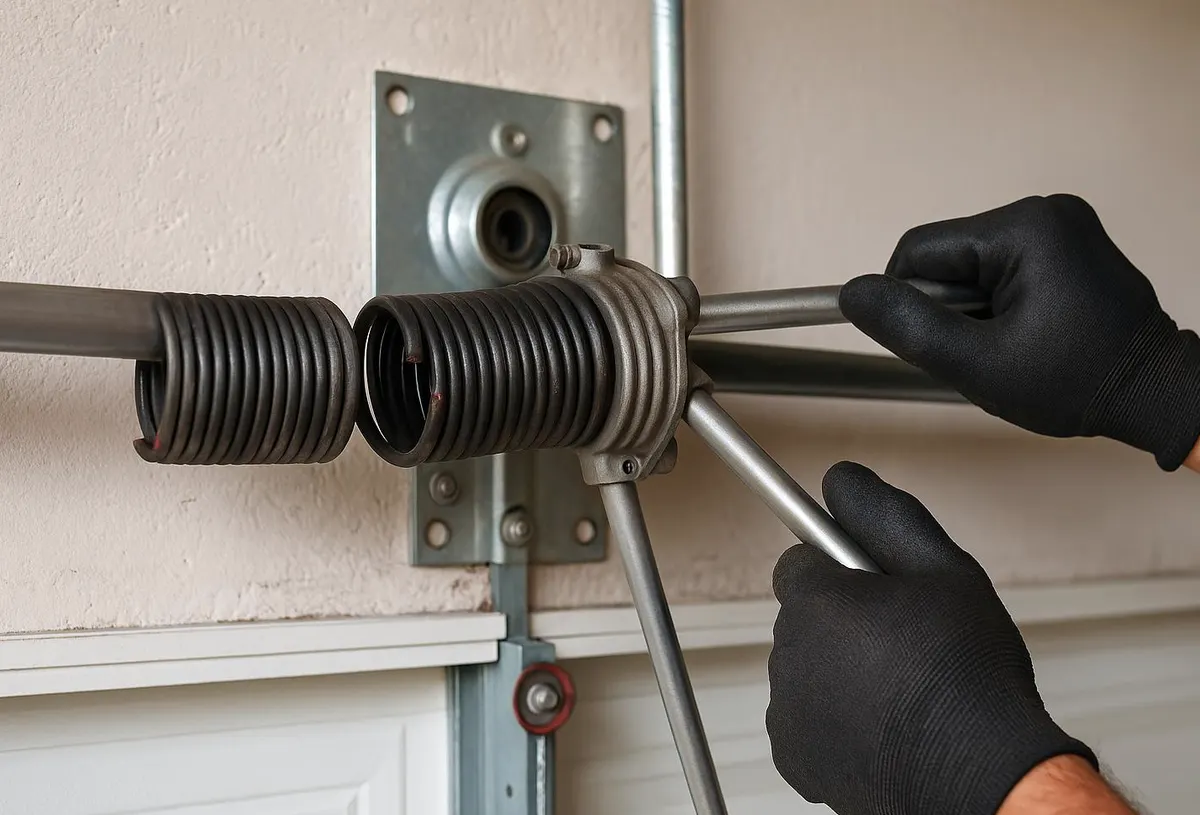
With the opener disconnected (pull the red release cord), lift the door manually about halfway and let go. It should stay in place. If it drifts down or shoots up, the springs are compensating for wear from a full season of heat cycling and humidity, and that imbalance will only get more noticeable as temperatures swing. This isn't a DIY spring adjustment job; springs are under heavy tension and better left to a technician, but knowing the symptom helps you describe the problem accurately when you call for service.
When to Call Howey-in-the-Hills Garage Door Service
If your inspection turns up rust that's spread into the track or springs, a door that's noticeably unbalanced, or a bottom seal that's beyond a simple swap, it's worth having a technician look at it before the issue grows. Our Preventive Maintenance service covers exactly this kind of post-storm-season checkup: lubrication, hardware tightening, balance testing, and a full inspection of springs and cables for the corrosion and wear that humidity and salt air cause over time. If a panel took a hit during storm season or the door is riding rough in the tracks, our Off Track Door Repair and Garage Door Panel Replacement services handle those fixes directly.
If you're in Howey-in-the-Hills, Tavares, Mount Dora, or anywhere else around Lake County and want your garage door checked before the season shifts, call Howey-in-the-Hills Garage Door Service today to get it done right.